Spinal Disc Problems: Symptoms, Treatment & Prevention
Spinal disc problems are a frequent cause of back and neck pain. The discs between the bones of the spine act as cushions and assist the spine to bend, move and absorb everyday stress. A disc that wears down, bulges or moves out of its normal place can irritate the nerves nearby and cause pain.
Spinal disc problems can be mild, with discomfort that improves with simple care, or they can be more serious, requiring medical evaluation. Knowing the causes, what to look for, treatment options and prevention measures can help you take action in time.
What Are Problems With Spinal Discs?
Spinal disc problems occur when one or more of the discs in your spine changes shape or moves out of its normal position. The disc in the spine is soft in the middle, surrounded by a tougher outer ring. As we grow older, the disc can lose its elasticity or tear due to repeated stress, poor posture or injury.
The Most Common Spinal Disc Problems
- Bulging disc: The disc pushes out beyond its normal space.
- Herniated or slipped disc: The inner material forces its way through a weakened spot in the outer ring.
- Degenerative disc changes: Discs lose water, become less flexible and shorter as we age.
- Nerve compression: A displaced disc pushes against a nearby nerve.
Some spinal disc problems do not cause symptoms. An imaging scan may show disc changes in some people, but they may have little or no pain.
What Causes Spinal Disc Disorders?
There are a number of reasons that can lead to problems with the spinal disc. One of the most common causes is age, since the discs become less flexible naturally over time. Spinal disc problems can also occur in young adults, particularly after an injury or repetitive physical strain.
Possible Contributory Factors
- Poor posture while sitting, standing or working
- Repeated flexing or twisting
- Lifting heavy things the wrong way
- Lack of regular physical activity
- Weak back and stomach muscles
- Prior spinal injury
- Overweight
- Tobacco
- Natural wear and tear with age
In many cases there is no single cause. They may be caused by something you do every day, overusing a body part, age or a previous injury.
Symptoms of Spinal Disc Problems
Symptoms of spinal disc problems depend on which disc is affected and whether a nearby nerve is irritated or compressed.
Common Symptoms
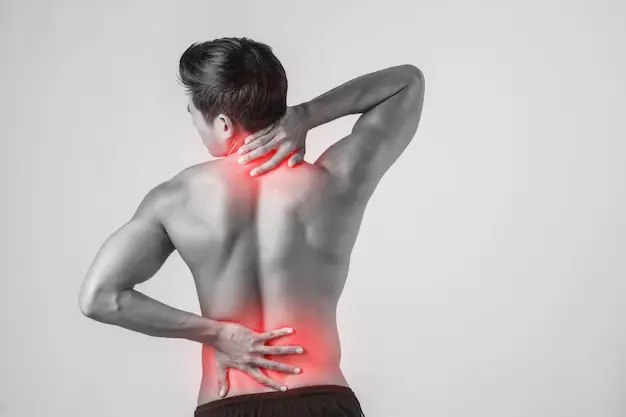
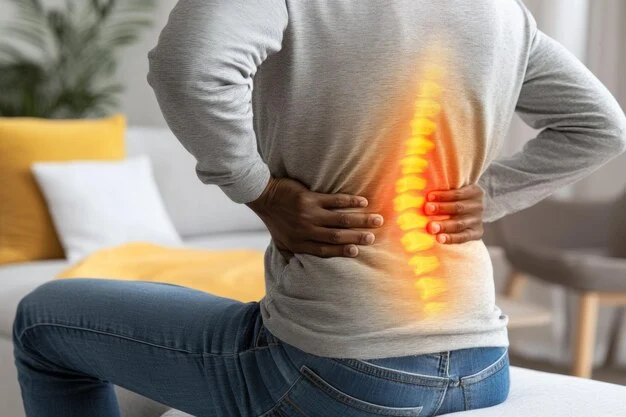
- Pain in the neck or lower back
- Pain that spreads to the buttock, hip, arm or leg
- Tingling or pins-and-needles sensations
- Loss of feeling
- Muscle weakness
- Pain that gets worse when sitting, bending, coughing or sneezing
- Problems with certain movements
This pain can spread down one leg. This is often called sciatica and can be caused by a lower-back disc problem. A neck disc problem can sometimes cause pain, tingling, numbness or weakness that travels down into the shoulder, arm or hand.
Remember that not every backache signifies a serious disc problem. Any persistent symptoms should be evaluated by a qualified healthcare professional.
When Do You Need to See a Doctor?
Some spinal disc problems improve with conservative treatment. But you should see a doctor if your pain lasts for a few weeks or keeps coming back, or if it starts to affect your sleep, work, walking or normal activities.
Seek Immediate Medical Attention If You Have:
- Sudden or worsening weakness of an arm or leg
- Severe or worsening numbness
- Incontinence of bowel or bladder
- Numbness of the inner thighs, buttocks or genitals
- Severe symptoms following a serious injury
These symptoms can be signs of serious nerve compression and should not be ignored.
How Do Doctors Diagnose Spinal Disc Problems?
The diagnosis begins with a medical history and a physical examination. Your doctor may ask where the pain starts, whether it radiates to another area of your body, what makes it feel better or worse, and whether you have any numbness or weakness.
During the Examination, the Doctor Might Check:
- Strength of muscles
- Actions of reflexes
- Sensation
- Walking
- Range of motion
- Symptoms of nerve irritation
For uncomplicated back pain, imaging is often not necessary. If symptoms are persistent, severe, unusual or associated with neurological findings, the doctor may recommend an MRI or other appropriate investigation.
Treatment for Spinal Disc Issues
Treatment of spinal disc problems depends on the symptoms, the severity of the symptoms, the area of the spine involved, and whether a nerve is involved. Many people get better without surgery.
Conservative Management
Treatment may include, for appropriate patients:
- Short-term activity change
- Drugs prescribed by a doctor
- Physical therapy
- Targeted strengthening and stretching exercises
- Improving posture for sitting and working
- Gradual resumption of normal activities
Most uncomplicated back pain is not helped by long periods of complete bed rest. Gentle activity within comfortable limits and medical advice may help support recovery.
Physiotherapy for Spinal Disc Problems
Physiotherapy has an important role to play in the management of spinal disc problems . A physiotherapist may suggest exercises to improve core strength, flexibility, posture and movement.
The exercise plan should be adjusted to the individual symptoms and physical condition. All exercises and activities that cause a significant increase in pain should be done with proper technique and should not be continued unless advised by a professional.
The aim is not only pain relief but also to improve movement, strength and confidence in daily activities.
When Is Surgery Indicated?
Most people with spinal disc problems do not need surgery. If there is significant or progressive weakness in the nerve, ongoing symptoms despite appropriate non-surgical treatment or another condition that requires surgery, then surgery may be an option.
The procedure is done according to where and what the disc problem is. The neurosurgeon or spine specialist will look at symptoms, examination findings and relevant scans before a discussion about the suitability of surgery.
Daily Care & Recovery
Each person recovers from spinal disc problems differently. Some will recover in a few weeks, while others will require a longer treatment and rehabilitation period.
Daily Habits That Help Include:
- Don't lift heavy weights suddenly
- Use correct lifting techniques
- Get up regularly from prolonged sitting
- Keep frequently used items within easy reach
- Do the exercises as prescribed
- Stay at a healthy body weight
- Increase strength and flexibility gradually
- Avoid abrupt increases in physical activity
Good posture is helpful, but it is also important not to stay in the same position for many hours. Taking regular movement breaks can relieve unnecessary strain on the back and neck.
How to Prevent Spinal Disc Problems
Not all spinal disc problems can be prevented, especially age-related changes in the disc. But healthy habits can reduce unnecessary strain on the spine and support overall back health.
Ways to Protect Your Spine
- Get regular physical activity, including strengthening activities.
- Build strength in your back and core.
- Sit in a comfortable and well-supported working position.
- Bend at the knees and keep the load close to your body when lifting objects.
- Don't carry heavy things while twisting your body.
- If you are sitting for a long time, move and get up regularly.
- Don't smoke.
- Keep your weight in check.
- Increase your physical activity slowly.
While these steps can't prevent spinal disc problems from arising, they can promote better movement and reduce unnecessary strain.
Neuromed Hospital and Trauma Centre: Spinal Disc Care
Neuromed Hospital and Trauma Centre is located at C 304, Nirala Nagar, Lucknow, Uttar Pradesh 226020. The hospital offers neurosurgery, spine, trauma care and other medical specialities.
To learn more about the hospital and its services, visit the Neuromed Hospital and Trauma Centre website .
Dr. Anoop Kumar Jaiswal and Dr. Persis Jaiswal
Dr. Anoop Kumar Jaiswal is a Neurosurgeon at Neuromed Hospital and Trauma Centre. He is MBBS, MS and MCh (Neurosurgery), KGMU, Lucknow. Neurosurgeons can properly evaluate patients who have ongoing back or neck pain, pain that radiates, numbness, weakness, or other symptoms that may be related to spinal disc problems .
Dr. Persis Jaiswal provides Dental and Maxillofacial Services at Neuromed Hospital and Trauma Centre. She is BDS, DHA & MPH. Her area of interest is dental and maxillofacial treatment; spinal and neurosurgical issues are assessed by the appropriate specialist.
The hospital also has access to doctors from a variety of specialities to give patients the right medical help for other health problems.
Neuromed Hospital and Trauma Centre Contact
If you are suffering from constant back or neck pain and need to be assessed, you can get in touch with Neuromed Hospital and Trauma Centre using the information below:
- Address: C 304, Nirala Nagar, Lucknow – 226020, Uttar Pradesh
- Contact: 9196065275
- Email: neuromedhospital.lucknow@gmail.com
- WhatsApp: Message Neuromed Hospital on WhatsApp
- Website: neuromedhospital.com
- Google Maps: Locate Neuromed Hospital on Google Maps
Follow Neuromed Hospital Online
- Instagram: Neuromed Hospital and Trauma Centre
- Facebook: Neuromed Hospital and Trauma Centre on Facebook
- About.me: Neuromed Hospital on About.me
- Linktree: Linktree of Neuromed Hospital
FAQs About Spinal Disc Disorders
Summary
Problems with your spinal discs can interfere with your movement, comfort, work and everyday activities. But having a disc problem doesn't mean you need surgery. Many people can control their symptoms with early assessment, treatment, gradual exercise and healthy lifestyle changes.
If your back or neck pain is constant, radiates into an arm or leg, or is associated with numbness, tingling or weakness, don't just ignore the symptoms and get a medical evaluation.
Neuromed Hospital and Trauma Centre provides specialist medical services to patients at C 304, Nirala Nagar, Lucknow, Uttar Pradesh 226020. For more information call the hospital at 9196065275, WhatsApp the hospital or visit the official website .