x

Blog Details

Home › Health › Sciatica Pain: Causes, Symptoms, Diagnosis & Treatment

Sciatica Pain: Causes, Symptoms, Diagnosis & Treatment
Sciatica Pain: Causes, Symptoms, Diagnosis & Treatment

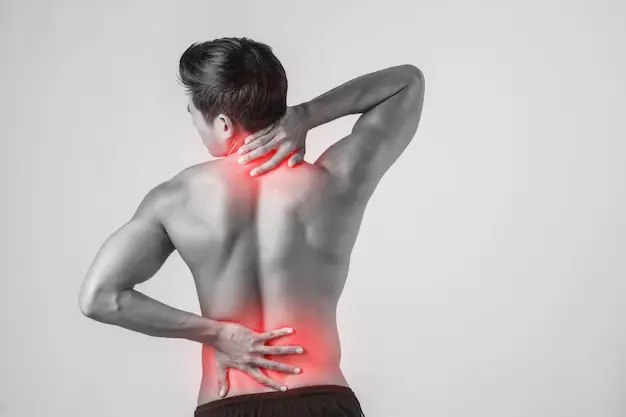
Basic daily activities such as walking, sitting, bending or even getting out of bed can be a painful experience for those suffering from sciatica. You may feel pain that starts in the lower back and shoots through the buttock and down the leg. You may also have numbness, tingling or weakness.But what is sciatica? Is this always coupled with a slipped disc? When should back or leg pain be treated by a neurosurgeon?

Here’s a guide to sciatica pain, including what causes it, its symptoms, how it’s diagnosed, treatment options, and how to reduce the risk of recurring pain, all explained in simple, easy-to-understand language. Sciatica is a condition that is characterised by pain that radiates along the path of the sciatic nerve. This nerve runs from the lower back, through the hips, and down the legs. The pain associated with sciatica can range from mild to severe and can cause discomfort and limited mobility.

Sciatica is not a disease in itself. It is a term that refers to pain that occurs when the sciatic nerve or one of the nerve roots that make it up becomes irritated or compressed. The largest human nerve is the sciatic nerve. It is a collection of nerve roots that exit the lower part of the spine and pass through the buttocks and down each leg. Compression of one of these nerve roots can cause pain that shoots down the thigh, calf or foot from the lower back or buttock. Sciatica typically affects one side of the body. The intensity can be quite varied. A few people have mild discomfort. Others may have sharp, burning or shooting pain that interferes with walking, sleeping or normal activities.

Sciatica: What Causes It?

Sciatica is usually caused by compression or irritation of one of the nerve roots in the lower back. Some of the most common reasons include:

1. Bulging or Herniated Disc - Sciatica is frequently caused by a slipped or ruptured disc. The discs between the vertebrae serve as cushions for the spine. If the soft center of a disc pushes through the outer layer, it can apply pressure to a nearby nerve root and cause pain that radiates down the leg.

2. Lumbar Spinal Stenosis - Spinal stenosis is when the space for the spinal cord or nerves becomes smaller. When the narrowing is in the lower spine, it can compress the nerve roots and cause pain, numbness or weakness in the legs. They may be more apparent when you are standing or walking for extended periods of time.

3. Disc Degenerative Disease - As we get older the spinal discs can gradually lose their flexibility and height. These changes can contribute to narrowing around the nerves and sometimes cause nerve compression and sciatica symptoms.

4. Spondylolisthesis - Spondylolisthesis is when a vertebra slips forward over the vertebra below it. Depending on the severity and location, this movement can compress the area around a nerve, resulting in lower back pain or symptoms radiating down into the leg.

5. Injuries to the Spine - Structures around the spine can be damaged by injuries from falls, accidents, sports or other trauma and this can irritate or compress nerves.

6. Rare Causes - Less common causes of sciatica-like symptoms include infections, tumors, inflammation, and a host of other spinal problems. This is one reason why you should not self-treat persistent or abnormal symptoms for a long period of time.

What Does Sciatic Nerve Pain Feel Like?

Everyone’s experience of sciatica is a little different. Typical symptoms include:

1- Severe pain or a sudden, shooting pain in the lower back, buttock or leg
2- Burning pain that shoots down the leg
3- Tingling or "pins and needles" feeling
4- Numbness of the leg or foot
5- Weakness of affected leg
6 - Difficulty walking or standing in comfort
7- Pain that gets worse with sitting, bending, coughing, or certain movements for a long time

One thing to keep in mind about sciatica is that the symptoms tend to follow a nerve path and not just the lower back.

Sciatica vs. Back Pain: What's the Difference?

Lower back pain and sciatica are not interchangeable. In normal mechanical back pain, the pain may be mostly localised around the lower back. In sciatica, the pain is often radiating down the leg from the lower back or buttock due to involvement of a nerve or nerve root.

For example, a person may have pain that starts in the lower back and radiates through the buttock and down the thigh, calf or foot. However, symptoms may be similar across spinal conditions. Before jumping to the conclusion that all kinds of leg pain are sciatica, a thorough clinical examination is important.

What Is the Best Time to See a Neurosurgeon for Sciatica?

Sciatica usually improves with conservative treatment. However, you should seek medical evaluation if:

  • Pain continues for weeks
  • Pain comes back
  • You get numbness or pins and needles
  • Your leg is not as strong as usual
  • It is hard to walk
  • Pain interferes with sleep or with day-to-day activities
  • Symptoms are getting worse
  • Home treatment has not been helpful enough

Neurosurgical evaluation doesn’t mean you necessarily need surgery.

First, the neurosurgeon looks at the symptoms, the neurological examination and the imaging findings to get a sense of what is actually causing the nerve compression.

When Is Sciatica an Emergency?

Some symptoms require immediate medical attention.

Call emergency services for immediate medical attention if your back or leg pain is accompanied by:

  • Additional loss of bowel or bladder control
  • Trouble passing urine
  • Numbness of inner thighs, buttock or genital region
  • Severe or rapidly progressive leg weakness
  • Trouble walking seriously
  • Severe symptoms after major trauma
  • Fever or other symptoms of severe infection with severe back pain

Sometimes these symptoms can be a sign of serious nerve compression including cauda equina syndrome which requires urgent assessment.

How Do You Diagnose Sciatica?

Diagnosis starts with a complete history and physical examination.

What Your Doctor Might Ask About

  • When the pain began
  • Where the pain takes us
  • Factors that improve or worsen it
  • Tingling or numbness
  • Muscle strength change
  • Spinal problems or prior back injuries
  • Earlier treatments and how well they worked

Physical Exam

A neurological exam may include testing:

  • Muscular power
  • Reflexes
  • Feeling
  • Walking style
  • Freedom of movement
  • Signs of irritated nerves

Tests for Imaging

Your doctor may also suggest imaging depending on your symptoms.

MRI

MRI can show detailed images of the discs, nerves, spinal canal and other soft tissues.

X-Ray

X-rays can help identify problems such as altered spinal alignment, arthritis or vertebral slippage.

CT Scan

Sometimes it is helpful to get a CT scan, especially if you need to know a lot about the bones.

Not all patients with sciatica require urgent imaging. Your doctor will decide whether imaging is appropriate based on your symptoms and examination findings.

Sciatica Treatment Options

The treatment will depend on the cause, how bad the symptoms are, what the neurological findings are and how long the problem has been going on.

Non-Surgical Treatment

Most sciatica sufferers do well without surgery.

Depending on the individual case, the treatment may comprise:

Physiotherapy

A physiotherapist may recommend exercises to improve strength, flexibility, posture and movement.

The goal is to not only relieve pain, but also to restore function of the spine and surrounding muscles.

Medications

Doctors can prescribe the right medication to help control pain and inflammation.

Follow the doctor’s instructions for taking your medication, especially if you have other medical problems or are taking other medicines.

Change of Activity

Usually treatment for sciatica does not involve complete bed rest.

Instead, patients may be advised to rest from activities that aggravate symptoms with gradual return to normal activity as tolerated.

Cold or Hot Treatment

Cold or heat may provide temporary relief of discomfort or muscle tightness, depending on the person.

Injection

In selected patients an injection around an irritated nerve may be tried to reduce inflammation and give pain relief.

Indications for injection are based on the aetiology and clinical findings.

When Is Surgery Necessary for Sciatica?

Most people with sciatica don’t need surgery.

Surgery may be an option when there is significant compression of the nerve and:

  • Persistent severe pain despite adequate conservative management
  • Progressive muscle weakness occurs
  • There is substantial neurological damage
  • Imaging shows a problem consistent with the patient's symptoms
  • Suspected emergency condition, e.g. cauda equina syndrome

The type of operation depends on the problem causing the pain.

Common Surgical Options for Sciatica

Microdiscectomy

A microdiscectomy can be done for a herniated disc that is pressing on a nerve.

The procedure involves removing the portion of disc material leading to the nerve compression.

Laminotomy

A laminectomy involves removing part of the bone or other structures that are contributing to narrowing around the nerves.

It may be considered in selected patients with spinal canal stenosis.

Spine Decompression

Different decompression methods can be used to relieve pressure on the affected nerve, depending on the underlying condition.

You look at the patient’s symptoms, do a neurological exam and imaging, and then select the proper procedure.

Can Sciatica Be Prevented?

Not all cases of sciatica are preventable, but some healthy habits can reduce the stress on the lower back.

Keep a Healthy Weight

A healthy body weight may help reduce the mechanical load on the spine.

Keep Your Body Active

Regular physical activity keeps the muscles strong and flexible and the spine healthy.

Many people find walking and other low impact activity useful.

Don’t Remain Seated for Too Long

If you sit at a desk, take movement breaks instead of sitting for a few hours at a time.

Maintain Good Posture

Try to sit in a comfortable and supported position, especially if you are working for long periods of time.

Properly Lift Objects

When you are lifting something heavy, do not bend and twist suddenly.

Hold the object close to your body, using your legs instead of straining your lower back.

Build Your Core

Better support for the spine can come from strong abdominal, back and hip muscles.

But you need to select exercises according to your physical condition, especially if you already have significant back or leg pain.

How Long Does It Take to Recover From Sciatica?

Prognosis depends on the underlying cause.

For some people, conservative treatment can bring about noticeable improvement within a matter of weeks, while for others, symptoms may persist for a longer duration.

In some situations, such as severe nerve compression, weakness, recurrent disc problems, spinal stenosis or an underlying spinal condition, recovery may take longer.

If symptoms are not getting better or are getting worse, you need to get a real medical evaluation and not try to do it yourself.

Treatment of Sciatica in Lucknow

You shouldn’t always brush off chronic back pain that radiates down the leg as “just back pain.”

Neuromed Hospital & Trauma Centre, Lucknow provides clinical evaluation for spinal and nerve related conditions to find out the cause of symptoms.

Neurosurgeon Dr. Anoop Kumar Jaiswal - Best Neurosurgeon in Lucknow, of Neuromed Hospital and Trauma Center, assesses conditions of the brain, spine and nervous system and suggests treatment depending on the patient’s specific condition.

Neuromed Hospital and Trauma Centre

Best Neurosurgeon in Lucknow – Dr. Anoop Kumar Jaiswal – Neuromed Hospital and Trauma Centre

Address: C 304, Nirala Nagar, Lucknow, Uttar Pradesh 226020

Contact: 9196065275

Email: neuromedhospital.lucknow@gmail.com

Website: neuromedhospital.com

WhatsApp: Chat on WhatsApp

Google Maps: Find Neuromed Hospital on Google Maps

Instagram: Neuromed Hospital on Instagram

Facebook: Neuromed Hospital on Facebook

About Me: Neuromed Hospital on About.me

Linktree: Neuromed Hospital Linktree

FAQs (Frequently Asked Questions)

Can sciatica go away on its own?

Yes, many cases of sciatica improve with conservative treatment and time. However, persistent, worsening, or recurrent symptoms should be evaluated by a medical professional.

Is surgery always required for sciatica?

No. Surgery is not required for most people with sciatica. It may be considered when symptoms persist despite appropriate treatment or when significant nerve compression or neurological problems are present.

Is walking good for sciatica?

For many people, gentle walking and staying reasonably active can be helpful. However, activity should be modified if a particular movement significantly increases pain or neurological symptoms.

Can a slipped disc cause sciatica?

Yes. A herniated or slipped disc in the lower spine can press on a nerve root and cause pain, numbness, tingling, or weakness that travels into the leg.

When should I see a neurosurgeon for sciatica?

You should consider a neurosurgical evaluation if symptoms are persistent, severe, recurrent, associated with weakness or significant numbness, or not improving with appropriate conservative treatment. Emergency evaluation is necessary if there is new bladder or bowel dysfunction or numbness around the saddle area.

About Author

admin

Leave a Reply

Your email address will not be published. Required fields are marked *