
Root Canal Treatment: Symptoms, Procedure, Benefits & Recovery
By admin
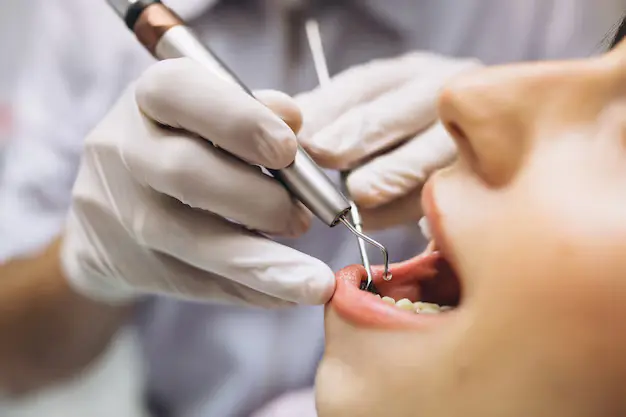
Root Canal Treatment Symptoms, Procedure, Benefits, Recovery & FAQs
No matter what it is, ignoring a toothache that will not go away is never a good idea. Sometimes tooth sensitivity is something simple, but persistent pain, sensitivity, swelling or discomfort when chewing can be a sign of infection or inflammation inside the tooth. In these cases, root canal treatment may be necessary to eliminate the infection and preserve the natural tooth.
Root canal treatment is a commonly performed dental procedure that focuses on treating problems affecting the innermost part of a tooth, known as the pulp. Instead of pulling the whole tooth out, the diseased or infected pulp is taken out, the root canals are cleaned and shaped and then the area is sealed off. The tooth is then restored.
Neuromed Hospital & Trauma Center, Lucknow provides multi-disciplinary health care service with dental and maxillofacial care being a part of it. The hospital is having a dental surgeon, Dr. Parsis Jaiswal, BDS, DHA, MPH, who has experience in diagnosing and treating various dental conditions, including preventive and restorative dental care.
What Is a Root Canal Treatment?
A root canal is a dental procedure used to treat the pulp inside a tooth when it has become inflamed, infected or damaged. The pulp is the innermost part of the tooth and contains the nerves and blood vessels.
Bacteria can enter the pulp through deep decay, cracks, fractures or other damage and cause an infection which may result in severe pain and will eventually affect the surrounding tissues of the tooth.
Root canal treatment involves removing the diseased pulp. The inside of the tooth is then well cleaned and shaped and filled and sealed. Depending on the remaining amount of tooth structure, the tooth can be restored with the appropriate filling or crown for the situation.
The primary goal is to control infection, to save the natural tooth and restore its function.
When Do You Need a Root Canal?
Not every toothache means a root canal. However, certain symptoms may indicate that the pulp has been significantly affected and that a dental examination is necessary.
Toothache (constant or severe)
A toothache that begins without a cause, or pain when you chew, that lasts for a long time, may be an indication of inflammation or infection within the tooth.
Sensitivity to heat or cold over long periods
If the tooth continues to be sensitive for some time after exposure to hot or cold food and drinks has ceased, this may indicate irritation or damage to the dental pulp.
Pain When You Bite or Chew
If you have inflammation of the pulp or tissues around a tooth, you may feel pain when you apply pressure to the tooth.
Swelling Near the Tooth
Dental infection: Swelling or tenderness may be present around the gums. Sometimes an abscess can form around the affected tooth.
Tooth Discolouration
Sometimes a tooth darker than the rest of the teeth can be a sign of changes in the pulp especially after trauma.
Pus, Gum Boil
A small pimple or swelling on the gum, drainage, pus or a persistent unpleasant taste are signs of infection and should be seen by a dentist.
What Causes Tooth Pulp to Get Infected?
Bacteria can reach the pulp through a variety of dental problems.
Severe Tooth Decay
A cavity that breaks through the outer layers of the tooth can eventually reach the pulp. Bacteria can enter this area and cause inflammation and infection.
Cracked or Fractured Teeth
A crack can provide a pathway for bacteria to enter the inner part of the tooth. Depending upon the location and severity of the fracture, root canal therapy may be indicated.
Tooth Injury
A hard hit or injury to a tooth can damage the pulp even if the tooth does not look seriously damaged. A dental checkup after an injury can detect problems early.
Repeated Dental Work
Multiple procedures involving the same tooth can sometimes contribute to irritation or damage of the pulp.
Dental Infection Advanced
If left untreated, the infection can spread from the tooth to the surrounding tissues. Early dental evaluation is important if symptoms suggest a spreading infection.
How Is a Root Canal Performed?
The treatment you need will depend on which tooth is involved and how far the infection or damage has progressed. Usually, the root canal treatment is done in several stages.
1. Diagnosis and Examination
The dentist will first examine the tooth and discuss the patient’s symptoms. An X-ray or other dental imaging may be done to look at the tooth, roots and surrounding bone.
This assessment helps determine whether root canal treatment is appropriate or whether another treatment may be more suitable.
2. Local Anesthetic
Local anesthetic is injected to numb the area. This makes the patient relaxed during the procedure.
3. The Way to the Tooth
The dentist drills a small hole in the tooth to get into the pulp chamber and root canals.
4. Pulp Removal of Infection
The damaged or infected pulp tissue is carefully removed from the tooth and its root canals.
5. Cleaning and Shaping the Canals
The canals are cleaned and shaped with special instruments. This stage is important for removing infected material and preparing the canals for sealing.
6. Fill & Seal
The canals are then filled with a suitable biocompatible material and sealed. Proper sealing helps to reduce the chance of bacteria entering the treated space again.
7. Restoring the Teeth
The final restoration depends on the condition of the tooth. A filling will sometimes suffice, but if the tooth needs more protection and structural support, a dental crown may be recommended.
How Long Is a Root Canal Procedure?
The duration varies according to factors such as:
- The position of the tooth
- Number and shape of root canals
- Infection intensity
- Complications present
- Type of final restoration needed
Some cases can be resolved in one visit others may take more than one visit. Your dentist will examine the tooth and determine what schedule of treatment you are going to need.
Is Root Canal Treatment Painful?
One of the most common concerns surrounding root canal treatment is pain.
The procedure is performed as comfortably as possible with local anesthesia and modern dental techniques. Some tenderness or sensitivity may occur after treatment, especially when biting on the treated tooth, but this is usually temporary.
If you notice considerable or lasting pain after treatment, don’t ignore the symptoms. Call your dentist for an evaluation.
Root Canal Treatment vs Tooth Extraction
Sometimes patients may be presented with alternative treatments if a tooth is badly broken or infected.
The goal of a root canal treatment is to save the natural tooth by removing the infected pulp and keeping the outside of the tooth intact.
In contrast, a tooth extraction is the complete removal of the affected tooth. If a tooth is removed then replacement options such as a dental implant, bridge or denture may be considered depending on the patient’s situation.
If a natural tooth can be restored predictably, preservation of the tooth may be considered as part of the overall treatment plan. However, the appropriate option depends on the condition of the tooth and surrounding tissues.
Advantages of Root Canal Therapy
Preserves the Natural Tooth
The aim of root canal treatment is to save the patient’s natural tooth rather than removing it.
Addresses the Source of Infection
Removing infected pulp and cleaning the root canals helps manage infection within the tooth.
Helps Restore Normal Function
With good restoration, the treated tooth should generally be able to function like any other tooth in normal biting and chewing.
Helps Prevent Future Dental Issues
Prompt treatment may help stop an untreated infection from spreading to adjacent tissues.
Maintains the Natural Appearance
The tooth with a root canal can be restored with the right restoration and a natural looking smile can be maintained.
What Happens After a Root Canal
You may experience some mild soreness or discomfort after treatment. Your dentist may have special instructions for you depending on the procedure performed.
For the Initial Recovery Time:
- Follow your dentist's medication instructions.
- Avoid chewing hard foods on the treated tooth until it has been permanently restored.
- Keep brushing and flossing like you normally do.
- Please come back for your follow up appointment.
- Seek medical attention if pain, swelling or other symptoms become severe or do not improve.
Even a root canal tooth still needs regular oral hygiene and regular visits to the dentist.
How Long Can a Tooth With a Root Canal Last?
A properly treated and restored tooth can last many years. The life of a post depends on the quality of the root canal treatment, the amount of healthy tooth structure remaining, the final restoration, oral hygiene and biting forces.
Regular dental checkups can help to diagnose problems with treated tooth or other teeth early.
When to Visit a Dentist
Don’t wait until you are in pain to see a dentist.
If you have: you should think about booking a dental check-up.
- Toothache that won’t go away
- Pain on chewing
- Increased sensitivity to heat or cold
- Swelling of a tooth or gum;
- Sore Gums
- Tooth discoloration
- Discharge or pus
- A recurring gum boil
- A cracked or fractured tooth
- Dental pain after an injury
If swelling is accompanied by difficulty breathing, or swallowing or swelling of the face or mouth, seek medical attention immediately.
Root Canal Treatment at Neuromed Hospital and Trauma Center, Lucknow
Neuromed Hospital & Trauma Center provides Dental & Maxillofacial Surgery along with other medical specialties. According to the official website, Dr. Parsis Jaiswal (BDS, DHA, MPH) is a dental surgeon who specializes in patient centered oral health care, preventive care, restorative procedures and dental diagnosis and management.
If patients are having prolonged dental pain or signs of a potential tooth infection, they can see a dental professional for an appropriate examination and individualized treatment plan.
The hospital is located at:
Neuromed Hospital & Trauma Center
C 304, Nirala Nagar, Lucknow, Uttar Pradesh – 226020
Phone: +91 9196065275 / 0522-4271895
Visit the official website of Neuromed Hospital & Trauma Center for more information and appointment.
Frequently Asked Questions About Root Canal Treatment
1. What is a root canal?
Root canal is a dental procedure used to treat a tooth whose inner pulp has been infected, inflamed or hurt. The infected pulp is removed, the root canals cleaned and shaped, and the tooth filled and sealed.
2. How can I tell if I need a root canal?
Reasons to see a dentist include persistent toothache, prolonged sensitivity to hot or cold, pain when chewing, swelling, discoloration of the tooth or signs of infection. A dentist is the only one who can diagnose the need for a root canal.
3. Will a root canal preserve my natural tooth?
Yes. The purpose of root canal treatment is to remove the diseased pulp while preserving the remaining natural tooth structure whenever the tooth can be successfully restored.
4. How many visits is a root canal?
The number of appointments varies. Some root canal treatments can be completed in a single visit. More complex cases may require more than one visit.
5. What happens after a root canal procedure?
The tooth may be a little sensitive or tender for a short while. Depending on the condition of the tooth, a permanent filling or crown may be required to restore the tooth’s strength and function.
6. Is root canal better than pulling a tooth?
Root canal treatment does NOT mean extraction. Root canal treatment is to save your natural tooth, removal of the tooth is extraction. The best choice depends on the individual dental condition of the patient and if the tooth can be predictably restored.
7. Can a root canal-treated tooth become re-infected?
Root canal treatment is done to remove infection but some cases can have problems again in a treated tooth. The tooth can be preserved with proper restoration, regular check-ups and good oral hygiene.
8. Can children have root canal treatment?
Pulp therapy in children is performed for specific types of pulpal damage in a primary or permanent tooth. The correct treatment depends on the age of the child, the tooth involved and its level of development.
9. Should I wait until the pain in my tooth is very bad?
No. Dental infections can continue to progress even if symptoms temporarily improve. Persistent or recurrent dental symptoms should be evaluated by a dentist and not treated with pain medication alone.
10. How to Find a Dental Surgeon in Lucknow?
Neuromed Hospital & Trauma Center, Nirala Nagar, Lucknow has a list of doctors with Dental & Maxillofacial Surgery specialty. Dr. Parsis Jaiswal BDS, DHA, MPH is one of them. Patients can call the hospital to consult and treat dental diseases.
Summary
Root canal treatment can help manage an infected or damaged tooth while providing an opportunity to preserve the natural tooth. Dental problems can get worse, but early dental evaluation and awareness of symptoms such as constant pain, long lasting sensitivity, swelling or discomfort when chewing may help stop this.
All teeth and patients are different, therefore treatments should be based on proper clinical examination and diagnosis. If you are experiencing symptoms that may indicate a damaged or infected tooth, consult a qualified dental professional to understand the available treatment options.
For dental and maxillofacial care in Lucknow, Neuromed Hospital & Trauma Centre provides dental services as part of its multidisciplinary healthcare facility. Consult the dental team for an evaluation and personalised treatment plan based on your oral health needs.
DISCLAIMER: This article is for general educational purposes only and is not a substitute for examination, diagnosis or treatment by a qualified dental professional.