Brain Hemorrhage (Bleeding) : Causes, Symptoms, Types and Treatments
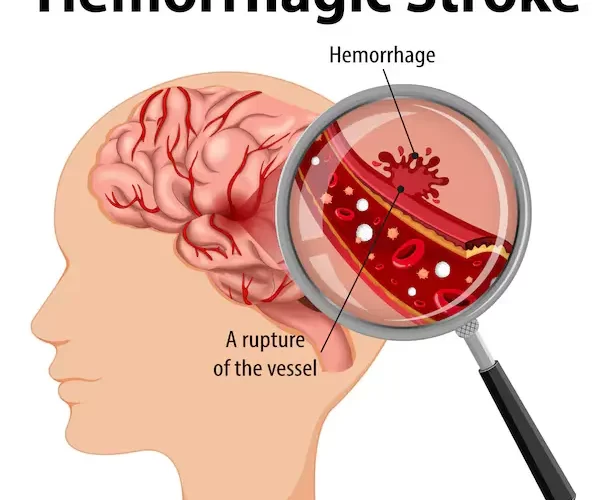
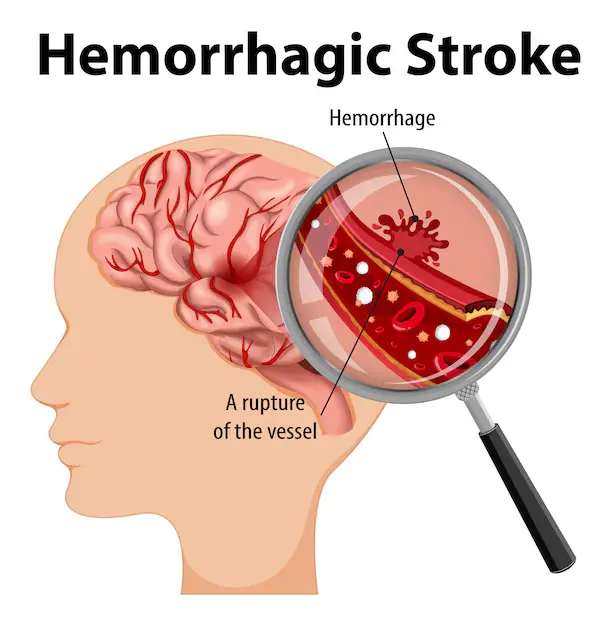
A Brain Hemorrhage is a serious medical condition that occurs when a blood vessel in or around the brain breaks and bleeding occurs. The skull surrounds the brain so any bleeding can put pressure on the brain tissue and interfere with vital functions such as movement, speech, vision and consciousness. Brain Hemorrhages can occur suddenly and symptoms may get worse in minutes or hours. That’s why it has to be considered a medical emergency all the time. Recovery can be dramatically affected by the speed at which you receive the correct diagnosis and treatment. Neurological emergencies are evaluated and managed at Neuromed Hospital and Trauma Center, Lucknow with the help of experienced neurosurgical care. Dr Anoop Kumar Jaiswal, MBBS, MS, MCh (Neurosurgery), KGMU, Lucknow offers specialised treatment for patients with brain and neurological problems.
What is a Brain Hemorrhage?
A Brain Hemorrhage is when a blood vessel in the brain breaks open and blood leaks into the brain tissue or the spaces around the brain. The leaking blood can irritate brain tissue, increase pressure inside the skull and disrupt normal brain function. There are different types of brain bleeds. An intracerebral Hemorrhage is bleeding that takes place inside the brain tissue. Subarachnoid Hemorrhage occurs in the area between the brain and the membranes that cover it. It is usually caused by a ruptured aneurysm. Bleeding may also occur around the brain after a head injury.
The symptoms and treatment needed will depend on the type, location and amount of bleeding.
Causes of Brain Hemorrhage
There are several conditions that can increase the risk of bleeding in the brain. One of the most important causes is high blood pressure, particularly if it is left untreated for a long time. Long-term high blood pressure can damage the walls of tiny blood vessels in the brain and cause them to break.Other possible reasons include:
• Head injury, especially serious trauma
• Brain aneurysms are weak spots in a blood vessel that can rupture
• Arteriovenous malformations (AVMs) – abnormal connections between vessels
• Blood-thinning medicines under certain conditions
• Bleeding disorders or blood clotting problems
• Some brain tumours or blood vessel problems
• Some infections or inflammatory conditions that affect the blood vessels.
Sometimes a Hemorrhage can occur without warning even if the person has not had any obvious symptoms before.
Symptoms of Brain Bleed
Symptoms of a Brain Hemorrhage vary depending on where the bleeding is and how much brain tissue is involved. But they hit hard and suddenly. A person might experience a severe or unusual headache, sometimes described as the worst headache they've ever had. You may also have:
• Sudden numbness or weakness, especially on one side of the body
• Difficulty speaking or understanding speech
• Confusion or strange behavior
• Difficulty walking or loss of balance
• Lightheadedness
• Vomiting
• Double vision or blurred vision
• Convulsions
• Severe drowsiness
• Loss of consciousness
A sudden headache, weakness, drooping of the face or difficulty in speaking should never be ignored. It’s important not to wait and see if the symptoms improve on their own.
When Should You Seek Emergency Care?
If you have a Brain Hemorrhage, you need emergency medical attention. If neurological symptoms appear suddenly, the person should be taken to an emergency facility as soon as possible. Do not give the person any food, drink or medicines unless told to do so by a medical professional. It is also important not to drive the affected person yourself if their condition is serious. Calling emergency medical services means care can begin appropriately during transport. The sooner the bleeding is detected, the sooner doctors can determine if medication, monitoring or neurosurgical treatment is needed.
Diagnosis of Brain Hemorrhage
The doctor evaluates the patient's symptoms, medical history and neurological condition. Symptoms can overlap with other neurologic emergencies, so brain imaging is essential. In an emergency, a computed tomography (CT) scan of the brain is often performed because it can quickly identify new bleeding. Depending on the circumstances, doctors may suggest a MRI, CT angiography or cerebral angiography to better understand what is causing the stroke, especially if an aneurysm or abnormal blood vessel is suspected. The results guide the neurosurgical team in determining the most appropriate course of treatment.
Treatment For Brain Hemorrhage
The treatment depends on the location and size of the Hemorrhage, the patient's neurological status and the underlying aetiology. Some patients can be managed with medications and close follow-up. Treatment may include careful control of blood pressure, treatment of swelling in the brain, correction of blood clotting problems and prevention of complications. Some brain Hemorrhages need neurosurgical intervention. Surgery may be considered to remove pooled blood, decrease pressure on the brain or treat the source of bleeding. For example, if an aneurysm ruptures, a procedure may be needed to stop the bleeding. Not all brain Hemorrhages require surgery. The decision is based on the imaging results, neurologic status, overall health of the patient, and the risks and benefits of intervention.
Rehabilitation After a Brain Bleed
Recovery for each patient is different. Some recover reasonably quickly while others may take weeks or months of rehabilitation. Depending on the area of the brain affected, the patient may need physiotherapy, occupational therapy, speech therapy or other rehabilitation services. Regular follow-up is important as recovery does not necessarily end when the patient leaves hospital. Equally important is to address the underlying risk factors. Proper long-term management can help to reduce future risk in people with high blood pressure, diabetes or other conditions that increase the risk of another vascular event. Family members also play an important role in recovery. Changes in movement, speech, memory or behavior can be frustrating for the patient and their family. Patience, rehabilitation and regular medical follow-up may help in the healing process.
Can Brain Bleeding Be Prevented?
Certain risk factors are modifiable, but not all brain hemorrhages are preventable. Control blood pressure, which is one of the most important things you can do. If you have high blood pressure, take your medicines regularly as prescribed and get your blood pressure checked as directed. Staying smoke-free, drinking alcohol in moderation, maintaining a normal weight, being physically active and controlling medical conditions such as diabetes and high cholesterol may also help improve cardiovascular and brain health. People taking blood-thinning medicines should continue taking them as directed and not change or stop the dose unless advised to do so by a health professional.
Best Neurosurgeon in Lucknow
A Brain Hemorrhage can be very frightening to patient and family. In such a situation, the most important thing is to identify the warning signs and seek the appropriate medical care immediately. Neurological evaluation and specialized neurosurgical care are available at Neuromed Hospital and Trauma Centre, Lucknow.
Dr. Anoop Kumar Jaiswal, MBBS, MS, MCh (Neurosurgery), KGMU, Lucknow is a neurosurgical specialist who works in diagnosing and managing brain and neurological diseases. Get emergency medical help immediately if you, or someone you are with, have sudden severe headache, weakness on one side of the body, difficulty speaking, seizures, confusion, or loss of consciousness. In the case of brain Hemorrhage, timely diagnosis and treatment can be life or death.
Neuromed Hospital & Trauma Centre
Address - C 304, Nirala Nagar, Lucknow, Uttar Pradesh – 226020
Contact: +9196065275
Website: https://neuromedhospital.com
WhatsApp: http://wa.me/+919196065275
GoogleMaps: https://maps.app.goo.gl/LVy5rU6wF4tS1PGj8
Instagram: https://www.instagram.com/neuromedhospital.lucknow
Facebook: https://www.facebook.com/p/Neuromed-Hospital-and-Trauma-Centre-61570766182542/

